Przejdź do treści
  • Porady tech
  • Gry
  • Mobile
  • Konsole
  • Pogoda
  • Kosmos
  • Koty
  • Pliki
  • Komiksy
  • AI
  • Finanse
Kosmos.porady-tech.pl

Kosmos.porady-tech.pl

Odkrywaj kosmos z Kosmos.porady-tech.pl!

  • Strona główna
  • Kosmos
  • Planety
  • Układ Słoneczny
Z jaką prędkością startuje rakieta?
2024-07-01 0

Z jaką prędkością startuje rakieta?

przez Kosmiczna redakcja

Kiedy myślimy o rakiecie kosmicznej, jedną z pierwszych rzeczy, która przychodzi nam do głowy, jest jej imponująca prędkość. Start rakiety…

Ile ludzi z Polski było w kosmosie?
2024-04-24 0

Ile ludzi z Polski było w kosmosie?

przez Kosmiczna redakcja

Polska, choć nie posiada własnego programu kosmicznego, może poszczycić się pewną liczbą swoich reprezentantów w przestrzeni kosmicznej. Mimo to, liczba…
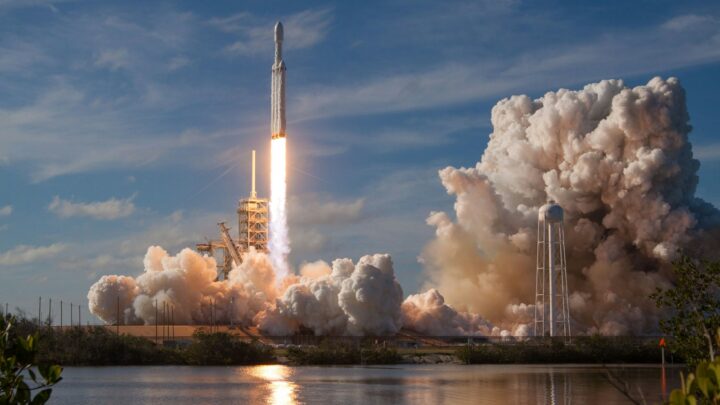
Gdzie najdalej dotarł człowiek?
2024-04-20 0

Gdzie najdalej dotarł człowiek?

przez Kosmiczna redakcja

Człowiek od zawsze dążył do odkrywania nieznanego i podbijania nowych przestrzeni. Od czasów starożytnych do dzisiejszych dni człowiek podejmował niezliczone…
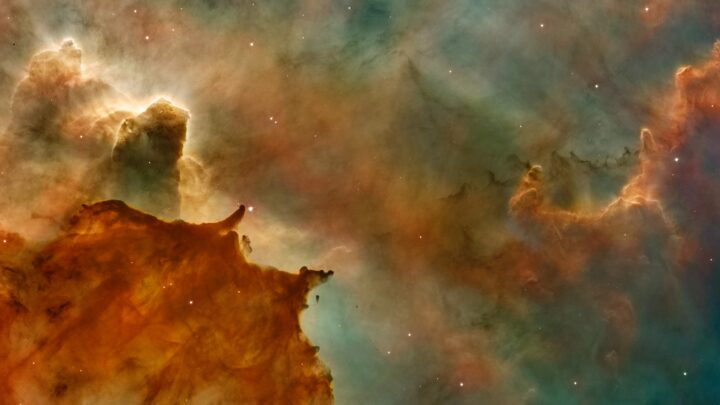
Filary Stworzenia: Tajemnicza formacja kosmiczna
2023-09-02 0

Filary Stworzenia: Tajemnicza formacja kosmiczna

przez Kosmiczna redakcja

W dzisiejszym artykule zabierzemy cię w fascynującą podróż przez kosmos, aby poznać jedno z najbardziej tajemniczych zjawisk – Filary Stworzenia.…

Czy na Jowiszu jest woda?
2023-08-27 0

Czy na Jowiszu jest woda?

przez Kosmiczna redakcja

Jowisz, gigantyczna planeta gazowa układu słonecznego, od dawna fascynuje naukowców i entuzjastów astronomii. Wiele pytań dotyczy tego olbrzyma, w tym…
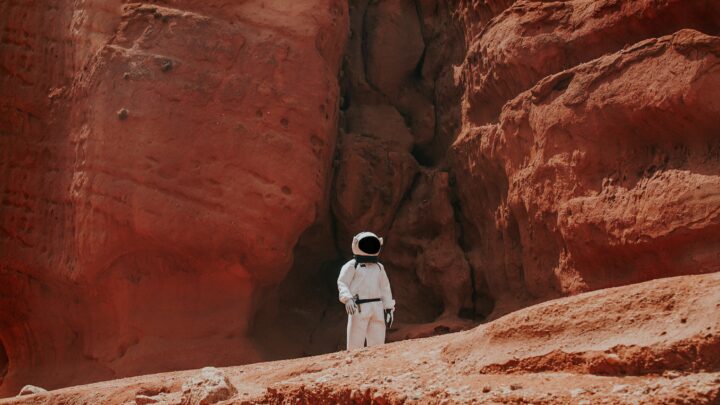
Czy na Marsie można oddychać? (jest wideo/nagranie)
2023-08-05 0

Czy na Marsie można oddychać? (jest wideo/nagranie)

przez Kosmiczna redakcja

Mars, Czerwona Planeta, od wieków fascynuje ludzkość swoją tajemniczością i potencjalnymi możliwościami kolonizacji. Jednym z kluczowych pytań związanych z planami…
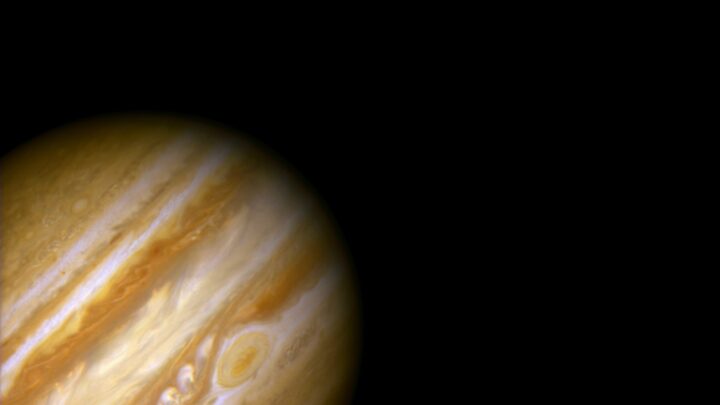
Tajemnice kosmicznych kolosów: Dlaczego Jowisz i Wenus świecą?
2023-07-27 0

Tajemnice kosmicznych kolosów: Dlaczego Jowisz i Wenus świecą?

przez Kosmiczna redakcja

Zapierają dech w piersiach swoją blaskiem na nocnym niebie – Jowisz i Wenus, dwa potężne planety naszego Układu Słonecznego. Jeden…
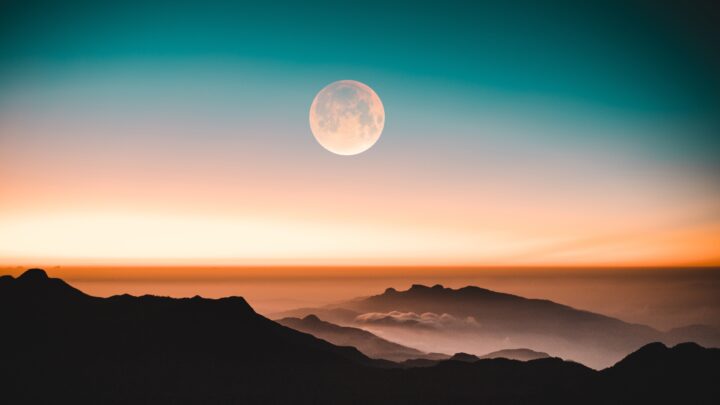
Dlaczego na Księżycu występuje stan nieważkości?
2023-07-26 0

Dlaczego na Księżycu występuje stan nieważkości?

przez Kosmiczna redakcja

Witajcie miłośnicy kosmosu i entuzjaści nauki! Dzisiaj pragnę zaprosić Was w fascynującą podróż na Księżyc, naszego najbliższego satelitę, aby zrozumieć,…
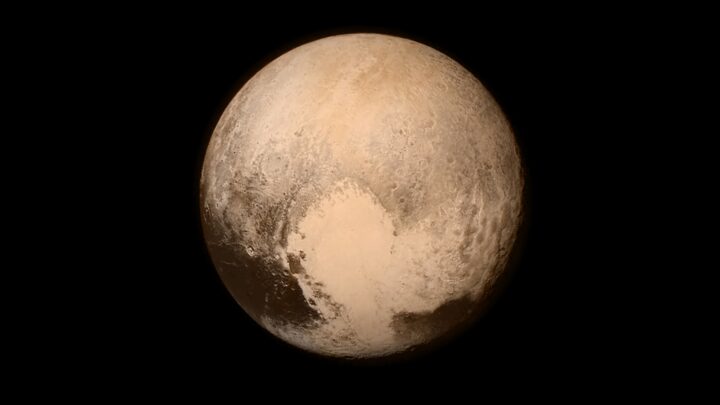
Dlaczego Pluton został wykluczony z Układu Słonecznego?
2023-07-20 0

Dlaczego Pluton został wykluczony z Układu Słonecznego?

przez Kosmiczna redakcja

Od kiedy człowiek zaczął obserwować niebo, zafascynowany rozgwieżdżonym niebem, systemem planetarnym słońca stał się jednym z najbardziej intrygujących tematów w…
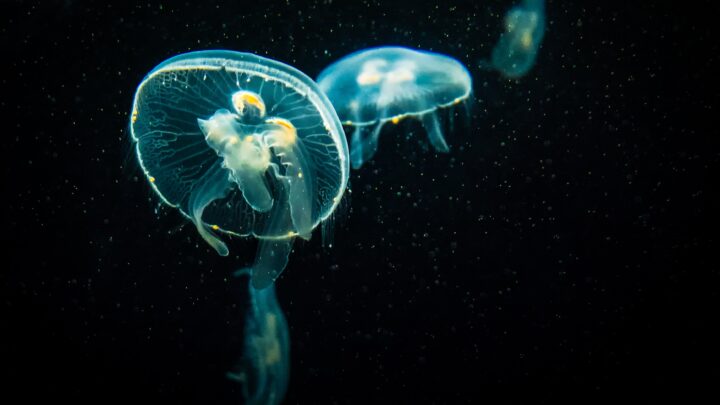
Enceladus – Księżyc, na którym może być życie? Naukowe odkrycia i możliwości
2023-06-30 0

Enceladus – Księżyc, na którym może być życie? Naukowe odkrycia i możliwości

przez Kosmiczna redakcja

Enceladus, jeden z księżyców Saturna, od dawna budzi zainteresowanie naukowców ze względu na potencjalne warunki sprzyjające istnieniu życia. W tym…
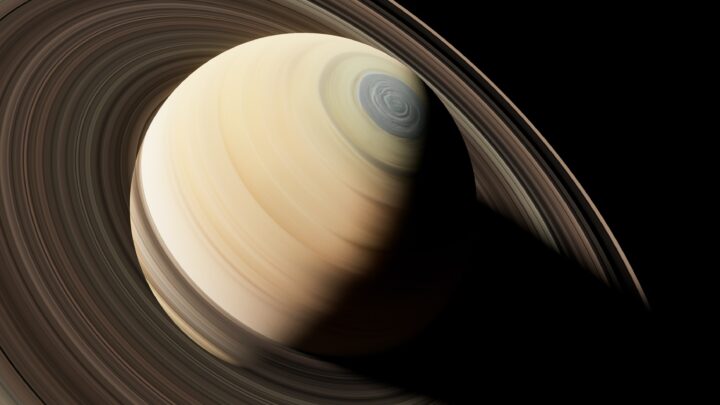
Czy Saturn ma powierzchnię?
2023-06-23 1

Czy Saturn ma powierzchnię?

przez Kosmiczna redakcja

Saturn, jeden z najbardziej rozpoznawalnych obiektów na niebie, zawsze budził ciekawość i fascynację. Jednym z pytań, które często się pojawia,…
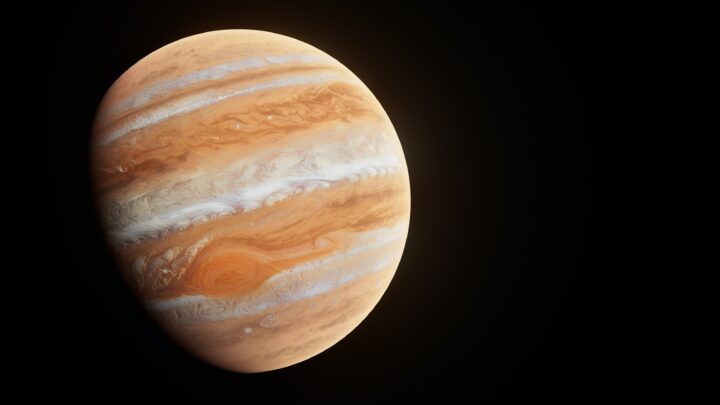
Czy Jowisz ma pierścienie?
2023-06-23 0

Czy Jowisz ma pierścienie?

przez Kosmiczna redakcja

Jowisz, największa planeta naszego Układu Słonecznego, od dawna budzi zainteresowanie badaczy i entuzjastów astronomii. Wielu z nas zastanawia się, czy…
Ile jest astronautów na świecie?
2023-06-23 0

Ile jest astronautów na świecie?

przez Kosmiczna redakcja

Astronautyka to jedna z najbardziej fascynujących dziedzin eksploracji kosmosu. Od momentu pierwszego lotu człowieka w kosmos, pytanie o liczbę astronautów…
Wielki Wybuch (kosmos)
2023-06-23 0

Wielki Wybuch (kosmos)

przez Kosmiczna redakcja

Wielki Wybuch to jedno z najważniejszych wydarzeń w historii naszego wszechświata. To właśnie w tym momencie, według obecnie panującej teorii,…

Stronicowanie wpisów

Poprzednie 1 … 38 39 40 Następne

FILMY NASA

Film na YouTubie UCLA_DiR1FfKNvjuUpBHmylQ_4h884umjihw After 241 days in orbit, astronaut Chris Williams is returning home from his first mission to the International Space Station.

Williams, along with cosmonauts Sergey Kud-Sverchkov and Sergei Mikaev, will touch down on Earth at 6:25 a.m. EDT (1025 UTC) in their Soyuz spacecraft after undocking from the station earlier on July 26. After landing on the steppe of Kazakhstan, they will fly by helicopter to Karaganda, Kazakhstan. 

During his time in space, Williams orbited the Earth 3,856 times, went on two spacewalks, and supported numerous experiments that are helping us learn how to live in space while making life better back on our home planet.

Learn more about Chris Williams: https://www.nasa.gov/people/nasa-astronaut-christopher-l-williams/
Follow the latest updates from the International Space Station: https://blogs.nasa.gov/spacestation/

Credit: NASA
After 241 days in orbit, astronaut Chris Williams is returning home from his first mission to the International Space Station.

Williams, along with cosmonauts Sergey Kud-Sverchkov and Sergei Mikaev, will touch down on Earth at 6:25 a.m. EDT (1025 UTC) in their Soyuz spacecraft after undocking from the station earlier on July 26. After landing on the steppe of Kazakhstan, they will fly by helicopter to Karaganda, Kazakhstan. 

During his time in space, Williams orbited the Earth 3,856 times, went on two spacewalks, and supported numerous experiments that are helping us learn how to live in space while making life better back on our home planet.

Learn more about Chris Williams: https://www.nasa.gov/people/nasa-astronaut-christopher-l-williams/
Follow the latest updates from the International Space Station: https://blogs.nasa.gov/spacestation/

Credit: NASA
NASA Astronaut Chris Williams Soyuz MS-28 Re-entry and Landing
The four members of NASA's SpaceX Crew-13 mission to the International Space Station, targeted to launch no earlier than mid-September, are talking about their upcoming journey in a news conference from NASA's Johnson Space Center.

Meet the crew:
- Jessica Watkins, commander, NASA 
- Luke Delaney, pilot, NASA 
- Joshua Kutryk, mission specialist, CSA 
- Sergey Teteryatnikov, mission specialist, Roscosmos 

Learn more about the mission: https://www.nasa.gov/commercialcrew
Get daily updates from the station: https://www.nasa.gov/blogs/spacestation/

Credit: NASA
NASA's SpaceX Crew-13 Flight Crew News Conference (Aug. 3, 2026)
Leaders from NASA and agency partners are holding a news conference at NASA's Johnson Space Center to discuss final preparations for our upcoming SpaceX Crew-13 mission to the International Space Station, targeted to launch no earlier than mid-September. 

Participants include:
- Joel Montalbano, deputy associate administrator, Human Spaceflight Mission Directorate, NASA Headquarters
- Dana Weigel, manager, Low Earth Orbit Program, NASA Johnson
- Mathieu Caron, director, Astronauts, Life Sciences, and Space Medicine, CSA
- Julianna Scheiman, director, NASA Science and Dragon Programs, SpaceX

Learn more about the mission: https://www.nasa.gov/commercialcrew
Get daily updates from the station: https://www.nasa.gov/blogs/spacestation/

Credit: NASA
NASA's SpaceX Crew-13 Mission Overview News Conference (Aug. 3, 2026)
Tune in as we preview the Nancy Grace Roman Space Telescope mission one month ahead of its scheduled launch on Aug. 30! Experts from NASA are providing an overview of the mission and its current status:

- Shawn Domagal-Goldman, director, Astrophysics Division, NASA Headquarters 
- Jackie Townsend, Roman telescope project manager, NASA’s Goddard Space Flight Center
- Julie McEnery, Roman telescope senior project scientist, NASA Goddard 
- Jeremy Perkins, Roman telescope integration and test scientist, NASA Goddard 

Named after NASA’s first chief astronomer, the Nancy Grace Roman Space Telescope will have a deep, panoramic view of the cosmos, generating never-before-seen pictures that will revolutionize our understanding of the universe.

Learn more about Roman: https://science.nasa.gov/mission/roman-space-telescope/

Credit: NASA
Nancy Grace Roman Space Telescope Mission Preview News Conference (July 29, 2026)
Watch as NASA astronaut Chris Williams and Roscosmos cosmonauts Sergey Kud-Sverchkov and Sergei Mikaev begin their return voyage to Earth. 

The Soyuz MS-28 spacecraft is scheduled to undock from the International Space Station at 3:03 a.m. EDT (0703 UTC), with an expected landing time of 6:25 a.m. EDT (1025 UTC).

Learn more about the International Space Station: https://www.nasa.gov/station

Credit: NASA
NASA Astronaut Chris Williams Soyuz MS-28 Undocking
Watch as NASA astronaut Chris Williams wraps up an 8-month mission aboard the International Space Station by exchanging farewells before departure. This was his first mission to space.

He and Roscosmos cosmonauts Sergey Kud-Sverchkov and Sergei Mikaev will then enter the Soyuz MS-28 spacecraft. 

After the hatch is closed, the spacecraft is scheduled to undock from the orbiting laboratory’s Rassvet module at 3:03 a.m. EDT (0703 UTC) Sunday, July 26, heading for a parachute-assisted landing at 6:25 a.m. EDT (1025 UTC) on the steppe of Kazakhstan.

Learn more about the International Space Station: https://www.nasa.gov/station
 
Credit: NASA
NASA Astronaut Chris Williams Soyuz MS-28 Space Station Farewells and Hatch Closing
As MS-28 prepares to depart from the space station, Roscosmos cosmonaut Sergey Kud-Sverchkov hands command of the orbiting outpost to NASA astronaut Jessica Meir.

Following MS-28's departure on Sunday, July 26, NASA astronaut Chris Williams and Roscosmos cosmonauts Sergey Kud-Sverchkov and Sergei Mikaev are scheduled to land on the steppe of Kazakhstan that same day at approximately 6:25 a.m. EDT (1025 UTC).

Follow the latest space station updates: https://www.nasa.gov/blogs/spacestation/

Credit: NASA
International Space Station Change of Command Ceremony
Watch with us as a new trio is welcomed aboard the International Space Station, after their Soyuz spacecraft hatch opens at 3:55pm ET (1955 UTC), Tuesday, July 14. NASA astronaut Anil Menon and cosmonauts Pyotr Dubrov and Anna Kikina will spend about eight months aboard the orbital complex, advancing scientific research.

This is the first spaceflight for Menon, who was selected by NASA to join the 2021 Astronaut Candidate Class and reported for duty in January 2022. 

Get the latest mission updates: https://blogs.nasa.gov/spacestation/

Credit: NASA
NASA Astronaut Anil Menon Soyuz MS-29 Hatch Opening
After lifting off from the Baikonur Cosmodrome in Kazakhstan aboard a Soyuz MS-29 spacecraft, NASA astronaut Anil Menon is scheduled to dock with the International Space Station at 1:56 p.m. EDT (1756 UTC) on Tuesday, July 14.
 
Selected as a candidate in 2021, Menon graduated with the 23rd astronaut class in 2024. This is Menon's first mission to the orbiting lab.
 
Menon, along with Roscosmos cosmonauts Pyotr Dubrov and Anna Kikina, will spend eight months aboard the space station as part of Expeditions 74 and 75. During his stay on the station, Menon will conduct scientific research and technology demonstrations aimed at advancing human space exploration and benefiting life on Earth.

Get the latest mission updates: https://blogs.nasa.gov/spacestation/
 
Credit: NASA
NASA Astronaut Anil Menon Soyuz MS-29 Docking

ISS NA ŻYWO

KOMENTARZE

  1. sonic_orbit - Czy Księżyc się obraca? Prawda o ruchu naturalnego satelity Ziemi2025-12-30

    Wiele osób myli „nie obraca się” z „obraca się razem z orbitą”.

  2. Richardimmig - Gdzie w kosmosie jest lit? Odkrycia i tajemnice tej niezwykłej substancji2025-06-25

    Potężna rakieta

  3. Serwisy Edukacyjne - Czy Saturn ma powierzchnię?2024-03-01

    Niezmiernie imponujące jest, jak autor potrafi nie tylko przekazywać informacje, ale także malować słowami pejzaże myśli, tworząc tekstu, które są…

  4. katrice - Dlaczego Słońce świeci?2024-01-04

    Intrygująca lektura! Informacje na temat zjawisk astronomicznych są bardzo pouczające. Szczególnie podobała mi się sekcja dotycząca rejestrowania zjawisk astronomicznych. Twoja…

  5. therington - Dlaczego Słońce świeci?2023-12-30

    Trudno znaleźć doświadczonych ludzi w tej dziedzinie, ale wydajesz się wiedzieć, o czym mówisz! Dzięki! Is this conversation helpful so…

FAZY KSIĘŻYCA

Moon Loading...

KATEGORIE

  • Astronauci
  • Galaktyki
  • Jowisz
  • Kosmos
  • Księżyc
  • Mars
  • Pierwiastki
  • Planety
  • Polacy w kosmosie
  • Rakiety
  • Saturn
  • Tajemnice
  • Układ Słoneczny
  • Wielki wybuch
  • Ziemia
kosmos.porady-tech.pl 2026
Kontakt: info@porady-tech.pl
Sprawdź także: porady-tech.pl | mobile.porady-tech.pl | pogoda.porady-tech.pl | gry.porady-tech.pl | koty.porady-tech.pl | pliki.porady-tech.pl