Przejdź do treści
  • Porady tech
  • Gry
  • Mobile
  • Konsole
  • Pogoda
  • Kosmos
  • Koty
  • Pliki
  • Komiksy
  • AI
  • Finanse
Kosmos.porady-tech.pl

Kosmos.porady-tech.pl

Odkrywaj kosmos z Kosmos.porady-tech.pl!

  • Strona główna
  • Kosmos
  • Planety
  • Układ Słoneczny
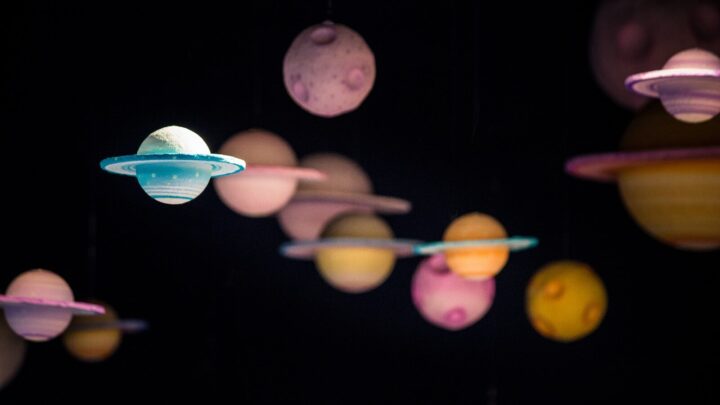
Jak planety i księżyce otrzymują swoje nazwy? System nazewnictwa w astronomii
2026-03-25 0

Jak planety i księżyce otrzymują swoje nazwy? System nazewnictwa w astronomii

przez Kosmiczna redakcja

Zastanawialiście się kiedyś, skąd wzięły się nazwy Jowisz, Mars czy tytaniczny Tytan? Odpowiedź jest prosta i skomplikowana jednocześnie: za systematyczne…
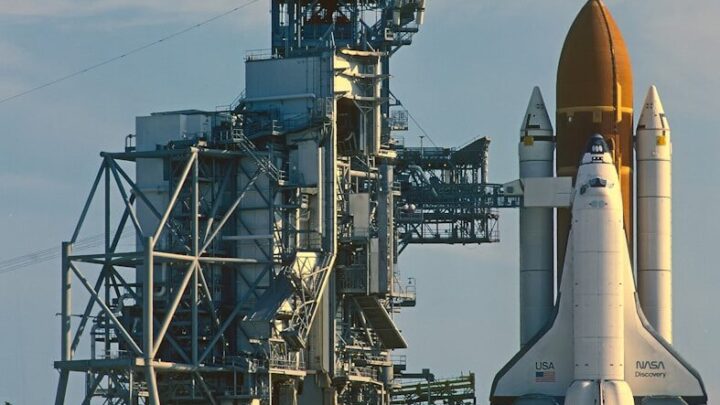
Jak buduje się rakiety kosmiczne? Od projektu do startu
2026-03-25 0

Jak buduje się rakiety kosmiczne? Od projektu do startu

przez Kosmiczna redakcja

Witajcie na pokładzie Odkrywaj kosmos z Kosmos.porady-tech.pl! Dziś zabieramy Was w fascynującą podróż do wnętrza procesu, który pozwala nam wyruszyć…

Jak znaleźć Galaktykę Andromedy na nocnym niebie? Poradnik obserwacyjny
2026-03-25 0

Jak znaleźć Galaktykę Andromedy na nocnym niebie? Poradnik obserwacyjny

przez Kosmiczna redakcja

Dziś zabierzemy Was w podróż, która pozwoli Wam odnaleźć jeden z najbardziej spektakularnych obiektów głębokiego nieba – Galaktykę Andromedy. Czy…

Ile kosztowałoby zamieszkanie na Księżycu? Ekonomia kosmicznej kolonizacji
2026-03-25 0

Ile kosztowałoby zamieszkanie na Księżycu? Ekonomia kosmicznej kolonizacji

przez Kosmiczna redakcja

Krótka odpowiedź jest taka: w obecnym stadium rozwoju technologii i infrastruktury, zamieszkanie na Księżycu byłoby astronomicznie drogie. Początkowe koszty budowy…

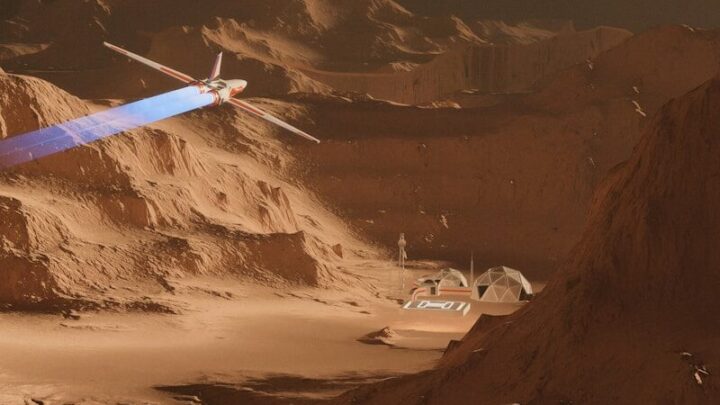
Jak pozyskać wodę na Marsie? Technologie i wyzwania dla przyszłych misji
2026-03-25 0

Jak pozyskać wodę na Marsie? Technologie i wyzwania dla przyszłych misji

przez Kosmiczna redakcja

Jak pozyskać wodę na Marsie? To pytanie, na które naukowcy i inżynierowie mają już kilka fascynujących odpowiedzi. Najprościej mówiąc, wodę…

Jak sfotografować Księżyc smartfonem? Poradnik dla początkujących astrofotografów
2026-03-25 0

Jak sfotografować Księżyc smartfonem? Poradnik dla początkujących astrofotografów

przez Kosmiczna redakcja

Jak sfotografować Księżyc smartfonem? Poradnik dla początkujących astrofotografów Marzysz o uchwyceniu majestatycznego Księżyca na zdjęciu, ale myślisz, że potrzebujesz do…

Jak astronauci śpią w kosmosie? Praktyczne porady i technologie
2026-03-25 0

Jak astronauci śpią w kosmosie? Praktyczne porady i technologie

przez Kosmiczna redakcja

Jak to możliwe, że astronauci, dryfujący w nieważkości, mogą w ogóle zasnąć? Odpowiedź jest prosta i skomplikowana jednocześnie: astronauci śpią…

Jak zrobić model Układu Słonecznego w domu? Projekt dla dzieci i dorosłych
2026-03-25 0

Jak zrobić model Układu Słonecznego w domu? Projekt dla dzieci i dorosłych

przez Kosmiczna redakcja

W tym artykule pokażemy Wam, jak krok po kroku zbudować własny, unikalny model Układu Słonecznego, używając łatwo dostępnych materiałów. Przygotujcie…

Co robić, gdy asteroida zmierza w kierunku Ziemi? Scenariusze obrony planetarnej
2026-03-25 0

Co robić, gdy asteroida zmierza w kierunku Ziemi? Scenariusze obrony planetarnej

przez Kosmiczna redakcja

Na szczęście nie jesteśmy bezbronni. Kiedy asteroida zmierza w kierunku Ziemi, kluczowe jest wczesne wykrycie i precyzyjne śledzenie jej trajektorii.…

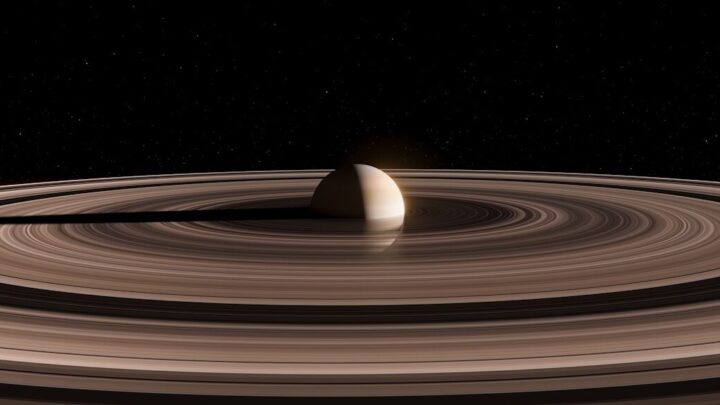
Pierścienie Saturna: Z czego są zbudowane i jak powstały? Tajemnice kosmicznego piękna.
2026-03-23 0

Pierścienie Saturna: Z czego są zbudowane i jak powstały? Tajemnice kosmicznego piękna.

przez Kosmiczna redakcja

Pierścienie Saturna są zbudowane głównie z niezliczonych fragmentów lodu wodnego, z domieszką materii skalnej i pyłu kosmicznego. Ich rozmiary wahają…

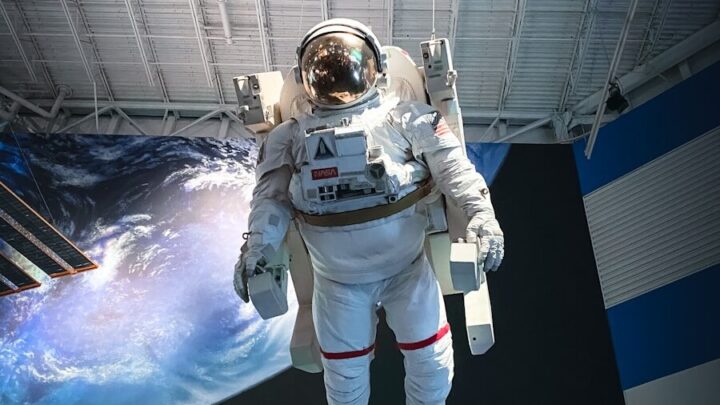
Jak zostać astronautą? Krok po kroku do kariery w kosmosie.
2026-03-23 0

Jak zostać astronautą? Krok po kroku do kariery w kosmosie.

przez Kosmiczna redakcja

Macie czasem ten błysk w oku, gdy spoglądacie w niebo i marzycie o podróży między gwiazdami? Pytanie „Jak zostać astronautą?”…

Co się dzieje z kosmicznymi śmieciami? Zagrożenia i metody oczyszczania orbity.
2026-03-23 0

Co się dzieje z kosmicznymi śmieciami? Zagrożenia i metody oczyszczania orbity.

przez Kosmiczna redakcja

Kosmiczne śmieci, czyli tysiące nieaktywnych satelitów, zużytych stopni rakiet, narzędzi i innych szczątków, nie znikają magicznie po wykonaniu swojego zadania.…

Jak długo trwa podróż na Marsa i od czego to zależy? Planowanie przyszłych misji.
2026-03-23 0

Jak długo trwa podróż na Marsa i od czego to zależy? Planowanie przyszłych misji.

przez Kosmiczna redakcja

Zastanawialiście się kiedyś, ile tak naprawdę trwa podróż na Marsa, tę czerwoną planetę, która od lat rozpala naszą wyobraźnię? Krótka…

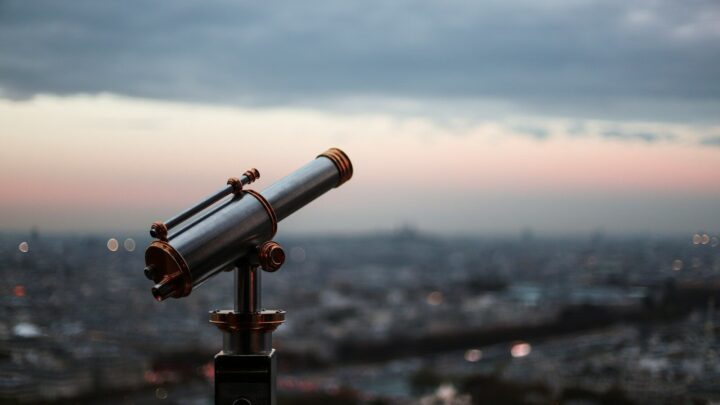
Jak wybrać teleskop dla początkującego astronoma? Przewodnik po sprzęcie do obserwacji.
2026-03-23 0

Jak wybrać teleskop dla początkującego astronoma? Przewodnik po sprzęcie do obserwacji.

przez Kosmiczna redakcja

Wybór teleskopu dla początkującego astronoma nie musi być trudny, jeśli skupisz się na trzech kluczowych aspektach: aperturze (średnicy obiektywu/zwierciadła), łatwości…

Stronicowanie wpisów

Poprzednie 1 … 19 20 21 … 23 Następne

FILMY NASA

Film na YouTubie UCLA_DiR1FfKNvjuUpBHmylQ_udEBWcciYiY On May 12, 2026, NASA astronauts Christina Koch, Reid Wiseman, and Victor Glover, and CSA (Canadian Space Agency) astronaut Jeremy Hansen visited Capitol Hill in Washington, D.C., where they met U.S. senators and representatives and spoke about their 10-day historic mission around the moon.

Our Artemis II mission took Wiseman, Glover, Koch, and Hansen on a nearly 10-day journey around the Moon and back to Earth in April 2026.

Learn more about Artemis II: https://www.nasa.gov/mission/artemis-ii/

Credit: NASA
On May 12, 2026, NASA astronauts Christina Koch, Reid Wiseman, and Victor Glover, and CSA (Canadian Space Agency) astronaut Jeremy Hansen visited Capitol Hill in Washington, D.C., where they met U.S. senators and representatives and spoke about their 10-day historic mission around the moon.

Our Artemis II mission took Wiseman, Glover, Koch, and Hansen on a nearly 10-day journey around the Moon and back to Earth in April 2026.

Learn more about Artemis II: https://www.nasa.gov/mission/artemis-ii/

Credit: NASA
NASA's Artemis II Crew Visits the U.S. Capitol
As part of NASA Artemis, we’re building a Moon Base to serve as a lunar habitat for long duration exploration and science. 

During this live news event from NASA Headquarters, agency leaders will discuss progress on the Moon Base program, including new industry partners and mission plans.  

Participants include: 
• NASA Administrator Jared Isaacman 
• Lori Glaze, acting associate administrator, ESDMD 
• Carlos García-Galán, program executive, Moon Base 

Moon Base is a lunar exploration and infrastructure initiative designed to enable sustained human presence and expanded scientific and commercial activity at the lunar South Pole. Robotic missions will work alongside astronauts to study the Moon and help prepare us for future Mars missions.

Credit: NASA
Moon Base News Conference (May 26, 2026)
After a successful launch on May 15, 2026, from Cape Canaveral Space Force Station in Florida, a SpaceX Dragon cargo spacecraft will rendezvous with and dock to the International Space Station. The spacecraft, which is carrying about 6,500 pounds of cargo, is scheduled to dock autonomously at around 6:38 a.m. EDT (1038 UTC).

Dragon will deliver several new experiments, instruments and science investigations. These include a bone scaffold made from wood that could produce new treatments for fragile bone conditions like osteoporosis, a new instrument to study charged particles around the Earth that can impact power grids and satellites, and an investigation that could provide a fundamental understanding of how planets form, among others.

The spacecraft is scheduled to remain at the space station until mid-June, when it will depart the orbiting laboratory and return to Earth with time-sensitive research and cargo, splashing down off the coast of California.

Learn more about the mission: https://www.nasa.gov/news-release/nasa-sets-coverage-for-spacex-34th-station-resupply-launch-arrival/

Learn more about International Space Station operations and research: https://www.nasa.gov/station

Credit: NASA
NASA's SpaceX 34th Commercial Resupply Services Rendezvous and Docking
Watch as the 34th SpaceX commercial resupply mission launches to the International Space Station. About 6,500 pounds of cargo are set to lift off at 6:05 p.m. EDT (2205 UTC) on May 15 from Space Launch Complex 40 at Cape Canaveral Space Force Station in Florida atop a Falcon 9 rocket. Teams stood down from the previous launch opportunity on May 13 due to inclement weather.

In addition to cargo for the crew aboard the space station, Dragon will deliver several new experiments, instruments and science investigations. These include a bone scaffold made from wood that could produce new treatments for fragile bone conditions like osteoporosis, a new instrument to study charged particles around Earth that can impact power grids and satellites, and an investigation that could provide a fundamental understanding of how planets form, among others.

Dragon is scheduled to dock autonomously to the forward port of the station’s Harmony module at about 7:00 a.m. EDT (1100 UTC) on Sunday, May 17. It is scheduled to remain at the space station until mid-June, when it will depart the orbiting laboratory and return to Earth with time-sensitive research and cargo, splashing down off the coast of California.

Learn more about the mission: https://www.nasa.gov/news-release/nasa-sets-coverage-for-spacex-34th-station-resupply-launch-arrival/

Learn more about International Space Station operations and research: https://www.nasa.gov/station

Credit: NASA
NASA's SpaceX 34th Commercial Resupply Services Launch
UPDATE: The May 13 launch attempt for CRS-34 was scrubbed due to weather: https://www.nasa.gov/blogs/spacestation/2026/05/13/nasa-spacex-target-may-15-for-resupply-mission-launch/ The next attempt is currently scheduled for Friday, May 15.

Watch as the 34th SpaceX commercial resupply mission launches to the International Space Station. About 6,500 pounds of cargo are set to lift off at 6:50 p.m. EDT (2250 UTC) on May 13 from Space Launch Complex 40 at Cape Canaveral Space Force Station in Florida atop a Falcon 9 rocket.

In addition to cargo for the crew aboard the space station, Dragon will deliver several new experiments, instruments and science investigations. These include a bone scaffold made from wood that could produce new treatments for fragile bone conditions like osteoporosis, a new instrument to study charged particles around Earth that can impact power grids and satellites, and an investigation that could provide a fundamental understanding of how planets form, among others.

Dragon is scheduled to dock autonomously to the forward port of the station’s Harmony module at about 9:50 a.m. EDT (1350 UTC) on Thursday, May 14. It is scheduled to remain at the space station until mid-June, when it will depart the orbiting laboratory and return to Earth with time-sensitive research and cargo, splashing down off the coast of California.

Learn more about the mission: https://www.nasa.gov/news-release/nasa-sets-coverage-for-spacex-34th-station-resupply-launch-arrival/

Learn more about International Space Station operations and research: https://www.nasa.gov/station

Credit: NASA
NASA's SpaceX 34th Commercial Resupply Services Launch (May 13, 2026 Attempt)
When the Artemis II crew is “go” for slumber, a solid bedtime routine is essential. Their pre-sleep checklist helps ensure everything is set before lights out.

This video was recorded on April 9, 2026, during the eighth flight day of Artemis II's mission around the Moon.

Credit: NASA/Sonnet Apple
Get Unready With NASA's Artemis II Astronauts
Live views from the International Space Station are streaming from an external camera mounted on the station's Harmony module. 

The camera is looking forward at an angle so that International Docking Adapter 2 is visible. If the Harmony module camera is not available due to operational considerations for a longer period of time, a continuous loop of recorded Earth views will be displayed with the caption “Previously Recorded.”

The space station orbits Earth about 250 miles (425 kilometers) above the surface. An international partnership of five space agencies from 15 countries operates the station, and it has been continuously occupied since November 2000. It's a microgravity laboratory where science, research, and human innovation make way for new technologies and research breakthroughs not possible on Earth. More: https://go.nasa.gov/3CkVtC8

Did you know you can spot the station without a telescope? It looks like a fast-moving star, but you have to know when to look up. Download our mobile app for alerts to let you know when (and where) to spot the station and wave to the crew: https://www.nasa.gov/spot-the-station/

https://nasa.gov/iss

Credit: NASA
Live High-Definition Views from the International Space Station (Official NASA Stream)
Live views from the International Space Station are streaming from an external camera mounted on the station's Harmony module. 

The camera is looking forward at an angle so that International Docking Adapter 2 is visible. If the Harmony module camera is not available due to operational considerations for a longer period of time, a continuous loop of recorded Earth views will be displayed with the caption “Previously Recorded.”

The space station orbits Earth about 250 miles (425 kilometers) above the surface. An international partnership of five space agencies from 15 countries operates the station, and it has been continuously occupied since November 2000. It's a microgravity laboratory where science, research, and human innovation make way for new technologies and research breakthroughs not possible on Earth. More: https://go.nasa.gov/3CkVtC8

Did you know you can spot the station without a telescope? It looks like a fast-moving star, but you have to know when to look up. Download our mobile app for alerts to let you know when (and where) to spot the station and wave to the crew: https://www.nasa.gov/spot-the-station/

https://nasa.gov/iss

Credit: NASA
Live High-Definition Views from the International Space Station (Official NASA Stream)
Subscribe to NASA’s official YouTube channel for front-row access to spacewalks, rocket launches, groundbreaking technology, and the science shaping our future. 

Explore discoveries, meet the experts behind the missions, and stay connected to humanity’s journey into space.

Learn more at https://www.nasa.gov.

Producer/Editor: Shane Apple 
Music: Universal Production Music
Credit: NASA
NASA YouTube (Official Channel Trailer)

ISS NA ŻYWO

KOMENTARZE

  1. sonic_orbit - Czy Księżyc się obraca? Prawda o ruchu naturalnego satelity Ziemi2025-12-30

    Wiele osób myli „nie obraca się” z „obraca się razem z orbitą”.

  2. Richardimmig - Gdzie w kosmosie jest lit? Odkrycia i tajemnice tej niezwykłej substancji2025-06-25

    Potężna rakieta

  3. Serwisy Edukacyjne - Czy Saturn ma powierzchnię?2024-03-01

    Niezmiernie imponujące jest, jak autor potrafi nie tylko przekazywać informacje, ale także malować słowami pejzaże myśli, tworząc tekstu, które są…

  4. katrice - Dlaczego Słońce świeci?2024-01-04

    Intrygująca lektura! Informacje na temat zjawisk astronomicznych są bardzo pouczające. Szczególnie podobała mi się sekcja dotycząca rejestrowania zjawisk astronomicznych. Twoja…

  5. therington - Dlaczego Słońce świeci?2023-12-30

    Trudno znaleźć doświadczonych ludzi w tej dziedzinie, ale wydajesz się wiedzieć, o czym mówisz! Dzięki! Is this conversation helpful so…

FAZY KSIĘŻYCA

Moon Loading...

KATEGORIE

  • Astronauci
  • Galaktyki
  • Jowisz
  • Kosmos
  • Księżyc
  • Mars
  • Pierwiastki
  • Planety
  • Polacy w kosmosie
  • Rakiety
  • Saturn
  • Tajemnice
  • Układ Słoneczny
  • Wielki wybuch
  • Ziemia
kosmos.porady-tech.pl 2026
Kontakt: info@porady-tech.pl
Sprawdź także: porady-tech.pl | mobile.porady-tech.pl | pogoda.porady-tech.pl | gry.porady-tech.pl | koty.porady-tech.pl | pliki.porady-tech.pl